
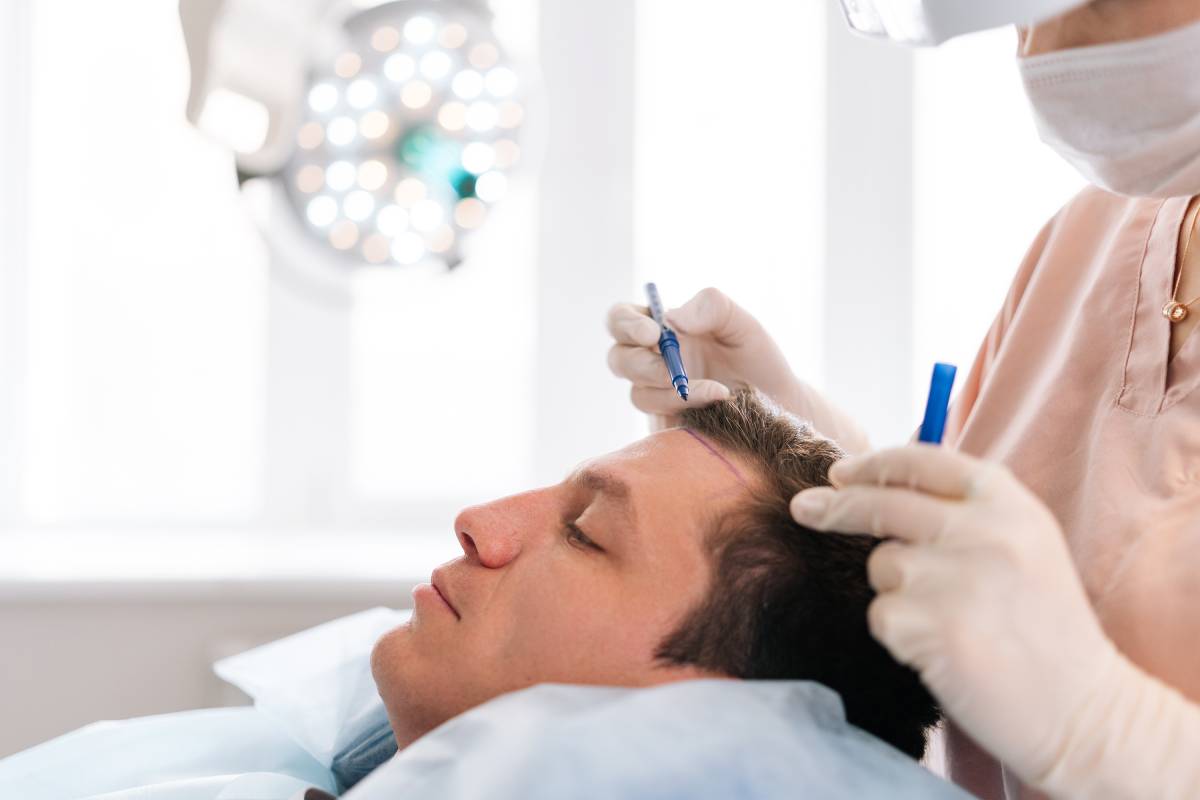
Millions of adults experience hair loss, prompting them to seek a natural, long-lasting solution from a specialized hair transplant center. Modern hair transplant techniques have advanced significantly, especially in terms of safety, with overall success across multiple dimensions. Benefits of a hair transplant are certainly impressive, but come with their own set of risks you should understand before getting too far. You should always ensure that any hair transplant center you consider is qualified to perform the procedure. This step alone will eliminate countless risks of negative repercussions. Complications relating to hair transplant can range from minor concerns to complex problems requiring extensive intervention to correct. Communicate with your specialist regularly and follow all post-procedure instructions to reduce your risk.
Infection and Post-Operative Complications
One of the most prominent risks following hair transplant surgery is infection caused by the introduction of bacteria to the scalp through incision sites created during the procedure. Both donor and recipient sites remain vulnerable until the healing process has concluded. If left untreated, this can develop into far more serious complications requiring aggressive treatment methods. Common symptoms that may indicate an infection is developing and may be time to consult with a physician:
- Excessive redness
- Persistent swelling
- Discharge
- Increased discomfort
- Fever
Aesthetic Concerns
A significant concern that affects many patients is aesthetic. People looking for a solution for loss or thinning of hair are looking for outcomes that appear natural. Poor technique can result in unnatural hairlines that are too straight, too low, or unnaturally dense and outwardly visible. Aesthetic outcomes are further compromised when uneven hair distribution, incorrect placement, and mismatched hair direction occur. Most aesthetic concerns relate to the skill of your surgeon and their approach. Always ensure the facility and its staff members are fully credentialed in compliance with state and local laws and restrictions.
Side Effects
It is common for hair transplants to create a variety of physical side effects you should anticipate and plan for during your recovery. Light bleeding at incision sites typically occurs during and immediately following the procedure, but excessive bleeding may be signaling a complex concern requiring medical intervention. It is common for patients to experience temporary numbness at treatment sites that lasts weeks or months.
Shock Loss
Shock loss is a frequently occurring side effect of hair transplant surgery. While common, it is still often unexpected and is a complication marked by temporary loss of hair surrounding the treatment site following surgery. It is a consequence of trauma sustained during the procedure.
Allergies
Allergies during transplant procedures are uncommon but can present serious risks to your health. Local anesthesia used to numb the treatment site, antibiotics, pain medications, or topical solutions all have the capacity to cause an allergic reaction ranging from mild to highly dangerous. Always discuss with your doctor any known allergies you may have prior to treatment.
Reducing Hair Loss-Related Risks
Hair transplant surgery is a possible solution for many, but it is important to consider the risks associated with it. As with any type of surgery, hair transplant surgery comes with its own set of risks. Potential complications require thorough consideration, from selecting an experienced surgeon at a reputable hair transplant center to maintaining realistic expectations. Hair transplant surgery has the capacity to significantly improve your quality of life and drastically improve how you see and feel about yourself, but that is all of little import if risk factors are ignored and complications arise.
If you have concerns about the risks of hair transplant surgery, talk to an experienced surgeon!